Market Activity
TPP delivers for clients with a whopping 31.2% average return
January 14, 2026
Related Links
2025 was a reminder that uncertainty and growth aren’t mutually exclusive. Investors who stayed the course through the wobbles saw markets bounce back as conditions improved.
For TPP, it was an incredible year. Of course there were ups and downs, and even we weren’t immune to the volatility caused by the ridiculousness of ‘Trump’s Tariff Board’, but once we were repositioned to make the most of the recovery, the only way was up.
This quick response helped our trading strategies on the Platform to average a return of 31.2%.
To put this into perspective ,BarclayHedge reported that the average Hedge Fund return in 2025 was the best since 2009 at 12.02%.
Source: Barclay Hedge Fund Index. 12.01.2025.
Here is how the major hedge funds got on:
%20(Large).png)
TPP client portfolios obviously did very well, with even our lower-risk strategies returning strong profits over the course of the year – meaning clients profited regardless of their risk profile.
At the start of every year, there is much guessing about which markets will perform the best. The truth is, nobody really knows. That is why diversifying your portfolio is the best way to capture the winners—and in2025, that strategy paid off handsomely as most asset classes delivered exceptional returns on TPP.
.jpg)
Entering 2025, the outlook was cautious at best. President Trump's return to the White House, escalating trade tensions and geopolitical uncertainty suggested a bumpy ride ahead. The consensus view? US markets would once again dominate, whilst other regions lagged behind.
What actually unfolded was far more rewarding. Global equity markets delivered another year of double-digit gains, but the real story was the resurgence of international markets. For the first time in years, diversification beyond American shores wasn't just prudent, it was profitable.
The year tested investor nerves with tariff rates reaching levels unseen since the Great Depression. Developed market equities tumbled16.5% in early April as trade war fears intensified. Yet markets demonstrated remarkable resilience, recovering to finish with strong returns. The second half brought a powerful shift as fiscal stimulus and monetary easing triggered an "everything rally." For the first time since the pandemic, every major asset class finished in positive territory.
Inflation proved more persistent than anticipated. Tariff-induced cost pressures combined with tighter US immigration policies kept prices elevated across advanced economies, forcing central banks to tread carefully. The Federal Reserve maintained its restrictive stance far longer than markets initially expected, only pivoting to rate cuts late in the year.
This inflationary backdrop created unusual market dynamics. Equities and bonds occasionally moved in tandem, challenging traditional portfolio construction and limiting the defensive benefits bonds typically provide during equity weakness.
The takeaway for investors is clear: cash continues to lose purchasing power in real terms. Whilst savings rates remain elevated compared to recent years, they did lower during the year and holding excess cash carries a significant opportunity cost. A well-diversified investment strategy remains your most effective defence against inflation's erosive effects.
U.K.
The UK market surprised the sceptics. The FTSE 100 surged nearly 18%, decisively outperforming the S&P 500's 8.5% return in sterling terms - taking into account that the U.S. dollar fell 7.6% against the pound.
For the FTSE, this marks a significant turning point afteryears of underperformance. The picture improves further when accounting for the UK's superior dividend yields. Over five years, the FTSE 100's 80% total return trails the S&P 500's 97%, but including dividends, the gap is far narrower than headline figures suggest.
Currency provided a boost, but sector positioning was the crucial factor. The UK's exposure to "old economy" sectors, often dismissed as unfashionable and rarely attracting retail investment, proved advantageous as concentration risks built elsewhere. Companies in precious metals, defence and energy thrived, benefiting from surging gold prices and increased global defence expenditure.
The Autumn Budget offered modest support for capital markets, including a temporary stamp duty holiday for new listings, but stopped short of the transformative reforms around pensions and regulation that could truly reinvigorate London's competitiveness.
The FTSE still offers value, but we fear the secret may be out, and it will be back to its old self in no time.
European equities appeared unexceptional in local currency terms, but currency movements dramatically transformed returns for international investors. The dollar's 7.0% trade-weighted decline, its steepest since 2009, created substantial opportunities as the euro appreciated 13.4%against the dollar
These currency tailwinds propelled European equities to the top of the performance tables, delivering 20.4% in euros and an impressive27.2% in sterling. By contrast, the S&P 500 managed just 3.9% in euros and9.8% in sterling—a vivid illustration of how currency exposure shapes real returns.
As investors scrutinised which technology giants would ultimately dominate the AI landscape, only two of the "Magnificent Seven" managed to beat the broader S&P 500: Alphabet and Nvidia.
Consumer-facing sectors underperformed as sluggish employment growth dampened confidence. Corporate reluctance to pass through tariff costs helped contain inflation but compressed margins and returns.
US equities delivered a reasonable return, yet were outpaced by other regions. Remarkably, 2025 marked the first time in two decades that the S&P 500 ranked as the worst performing major equity market, a historic shift that underscores the value of global diversification.
Asian markets outside China captured the AI wave, with investors recognising the region's critical role in technology supply chains. Korean equities led the driven by AI enthusiasm, corporate governance improvements and an attractive starting valuation after a difficult 2024.
Latin American markets rebounded strongly as currencies strengthened alongside commodity prices.
Japan's reflation story gained momentum following Prime Minister Takaichi's election, with markets anticipating increased government spending. The TOPIX was a top performer, returning 25.5% over the course of the year.
Emerging market performance was broadly strong across regions. Chinese equities advanced, supported by breakthroughs in domestic AI development and successful trade diversification that cushioned the impact of US tariffs. Indian equities were the notable laggard with returns of only 4.3%.
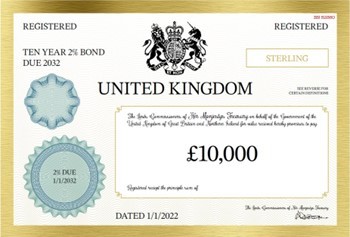
Fiscal sustainability concerns kept government bond markets on edge, with yield curves steepening across major economies. Despite anxiety over the "One Big Beautiful Bill" and its implications for US debt levels, Treasuries delivered the strongest sovereign returns at 6.3%.
The anticipated tariff-driven inflation surge never materialised (at least not yet), and mounting concerns about labour market weakness prompted the Federal Reserve to cut rates by 75 basis points in the second half, supporting bond prices.
UK Gilts followed closely as the second-best performing sovereign market. Although inflation remained above target, weakening employment data and moderating wage growth enabled the Bank of England to reduce rates by 100 basis points. Combined with attractive starting yields and a budget that avoided disaster, Gilts returned 5.0%.
European peripheral bonds outperformed traditional core markets in a striking role reversal. French bonds struggled amid severe political instability—three governments collapsed during the year over spending cut disputes. The traditional core/periphery framework broke down entirely, with French spreads over German Bunds finishing wider than those of Italy, Spain and Greece.
Gold shone brightly as geopolitical uncertainty drove investors toward safe-haven assets, delivering substantial gains. Oil told the opposite story, pressured by oversupply and logistical challenges.
Copper and lithium prices climbed on robust demand from data centres, electric vehicles and renewable energy infrastructure—the physical building blocks of the technology revolution.
The dollar experienced significant volatility throughout2025. Early expectations of rate cuts triggered weakness, before the Federal Reserve's actual policy decisions helped it recover some lost ground.
For UK investors with international holdings, these currency swings demonstrated how exchange rate movements can significantly enhance or diminish returns. It's a compelling reminder that geographical diversification provides not just sectoral balance, but cross-currency opportunities.
While 2025 tested the resolve of traditional wealth managers, TPP thrived in the volatility. Our professional trading approach allowed us to capitalise on market dislocations that others viewed as obstacles. When panic drove irrational selling, our disciplined traders identified opportunities.
The difference is simple: we are traders, not traditional wealth managers. While the conventional approach is ‘buy and hold’, our team responds dynamically to market conditions. We cut through the noise of 24-hournews cycles and social media sentiment to focus on what actually moves markets. This isn't about hunches or following the crowd—it's about professional execution backed by economic analysis.
TPP represents a fundamental shift in how investors can access professional trading expertise. Our absolute return focus means we pursue returns in all market conditions, applying the same disciplined approach whether markets are rising, falling, or moving sideways. Market falls are necessary, and they are something to be embraced, not feared.
Our 2025 performance demonstrates the value of this approach, and the results speak for themselves. The future of investing is already here and the days of ‘buy and hope’ are now behind us.
If you're ready to explore how a professionally traded portfolio might benefit you, please do contact us. We offer a personal, transparent service from start to finish. All our clients are important to us, and you will be too.
Disclaimer: The views expressed in this article are the author’s own and should not be considered as rendering any legal, business or financial advice.
Past performance may not be indicative of future results. Therefore, you should not assume that the future performance of any specific investment or investment strategy will be profitable or equal to the corresponding past performance.
“TPP might just be about to revolutionise investment for the retail market.”
- London Stock Exchange 2020


